
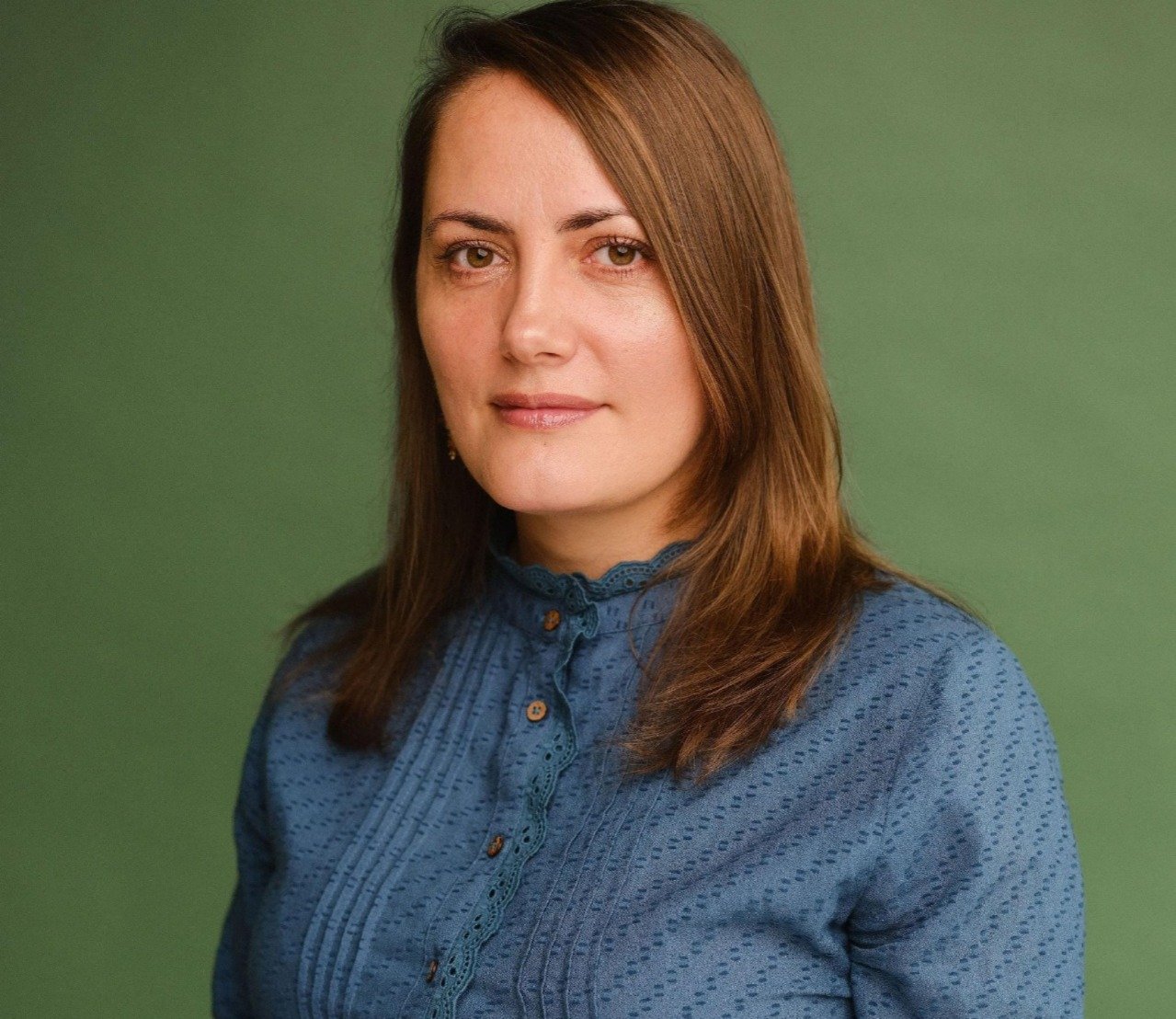
What does it take to build a filmmaking career that combines visual art, photography, storytelling, and a passion for creating opportunities for women? Barbara Bargiel is a Polish-British filmmaker whose work brings these creative disciplines together. As a director, producer, and screenwriter, she has developed a distinctive career through short films, visual storytelling, and independent filmmaking.
Bargiel’s journey is particularly interesting because she did not begin exclusively in traditional filmmaking. Her background includes photography and scenography, experiences that have influenced her approach to composition, atmosphere, and visual storytelling. Over the years, she has worked on several short films and participated in respected film-development programmes. This article explores Barbara Bargiel’s background, career, notable films, filmmaking style, professional achievements, and growing influence in the independent film world.
Barbara Bargiel Biography
| Category | Details |
|---|---|
| Full Name | Barbara Agata Bargiel |
| Born | December 4, 1982 |
| Birthplace | Rabka-Zdrój, Poland |
| Nationality | Polish-British |
| Profession | Director, producer, screenwriter, cinematographer |
| Creative Background | Photography, visual arts and scenography |
| Education | BA in Photography and MA in Scenography |
| Known For | Generic, Hufen Iâ, Herstory, Poison |
| Industry Focus | Independent filmmaking and visual storytelling |
| Base | London, United Kingdom |
Featured Snippet Answer
Barbara Bargiel is a Polish-British filmmaker, director, producer, and screenwriter known for her visually driven independent films. Her work includes projects such as Generic, Hufen Iâ, Herstory, and Poison. With a background in photography and scenography, Bargiel has developed a distinctive filmmaking approach while supporting greater opportunities for women in the film industry.
Who Is Barbara Bargiel?
Barbara Bargiel is a Polish-British filmmaker whose career brings together several areas of visual storytelling. She has worked as a director, producer, screenwriter, and cinematographer, developing projects that combine strong imagery with character-focused narratives.
Born in Rabka-Zdrój, Poland, Bargiel later established her professional career in the United Kingdom. London became an important base for her creative development and filmmaking activities.
From Photography to Filmmaking
One of the most interesting aspects of Barbara Bargiel’s career is her background in visual arts.
Her education and early creative experience gave her a strong foundation in:
- Photography
- Visual composition
- Scenography
- Storytelling
- Production design
- Film direction
Rather than treating these disciplines separately, Bargiel has been able to combine them in her filmmaking.
Photography can teach a filmmaker how to communicate emotion through a single frame, while scenography develops an understanding of space, environment, colour, and visual atmosphere. Those skills can become particularly valuable when creating films where the visual language is as important as the dialogue.
Barbara Bargiel’s Early Creative Journey
Bargiel’s creative journey developed through visual arts before expanding into filmmaking. Her studies in photography and scenography provided two complementary perspectives.
Photography encouraged her to think carefully about framing and visual detail. Scenography, meanwhile, helped develop her understanding of environments and how physical spaces contribute to storytelling.
Why Her Background Matters
A filmmaker’s education does not determine the quality of their work, but it can influence their creative vocabulary.
In Bargiel’s case, her background provides several advantages:
- Strong visual awareness
- Understanding of composition
- Attention to environments
- Experience with visual storytelling
- A multidisciplinary creative perspective
These skills are especially useful in independent filmmaking, where directors often have to think beyond directing and understand multiple aspects of production.
Her career therefore represents more than a straightforward transition from one job to another. It reflects the development of a broader creative identity.
Barbara Bargiel’s Most Notable Films
Barbara Bargiel has directed and produced several short films throughout her career. Her filmography includes projects exploring different characters, subjects, and storytelling approaches.
Among the titles associated with her work are ** Generic, Hufen Iâ, Coch Gwir, Martin & the Magic Muffins, Herstory, and Poison.**
Generic
Generic, released in 2022, is one of the more recent projects associated with Bargiel.
The film demonstrates her continued interest in short-form storytelling and independent production. As a director and producer, she was involved in shaping the project both creatively and practically.
Short films such as Generic are particularly valuable for filmmakers because they provide an opportunity to explore an idea in a concentrated format. They can also demonstrate a director’s ability to establish tone, develop characters, and communicate a complete story within a limited running time.
Hufen Iâ
Hufen Iâ is another film associated with Bargiel’s directing work.
The project reflects her continued engagement with short-form cinema and her interest in developing stories through visual direction.
For independent filmmakers, every project contributes to a larger body of work. A short film can serve as both a creative statement and an opportunity to experiment with narrative, performance, cinematography, and production methods.
Herstory and Poison
Earlier projects such as Herstory and Poison also form part of Barbara Bargiel’s filmmaking journey.
Herstory
Herstory is particularly relevant when considering Bargiel’s wider interest in women’s experiences and representation.
The title itself suggests an emphasis on perspectives that can sometimes receive less attention in conventional storytelling. Bargiel has been associated with efforts to create opportunities for women within filmmaking, making this part of her career especially significant.
Poison
Poison is another early directing credit that demonstrates her involvement in short-form filmmaking.
Looking at projects such as Poison alongside her later work allows audiences to see a filmmaker developing over time rather than judging her career through a single production.
This progression is important because filmmaking is a craft that evolves through repeated practice.
Barbara Bargiel’s Filmmaking Style
What makes Barbara Bargiel interesting as a filmmaker is the connection between her visual-art background and her approach to cinema.
A Strong Visual Perspective
Her experience with photography and scenography naturally provides a foundation for thinking about:
- Framing
- Composition
- Lighting
- Locations
- Characters within physical spaces
- Visual atmosphere
These elements can influence how audiences experience a story even before a character speaks.
A filmmaker with a strong visual background may approach scenes differently from someone whose experience is primarily literary or performance-based.
Storytelling Beyond Dialogue
Cinema communicates through much more than words.
A director can use:
Location to establish mood.
Lighting to influence emotional tone.
Composition to direct attention.
Movement to create energy.
Performance to reveal character.
Editing to control rhythm.
Bargiel’s multidisciplinary background gives her a useful foundation for combining these elements.
Barbara Bargiel and Opportunities for Women in Film
Another important part of Bargiel’s professional identity is her interest in increasing opportunities for women within filmmaking.
The film industry has historically faced challenges involving representation, access, and opportunities behind the camera. Independent filmmakers can play an important role in creating alternative production environments.
Supporting Female Filmmakers
Bargiel has been associated with filmmaking projects and initiatives that emphasise women’s participation.
This can involve more than simply placing women in front of the camera. Meaningful representation can also include opportunities for women as:
- Directors
- Producers
- Writers
- Cinematographers
- Editors
- Production designers
- Crew members
Her interest in all-female filmmaking environments is therefore an important part of understanding her wider professional goals.
It connects her creative career with a broader conversation about who gets to tell stories and who gets opportunities to build careers behind the camera.
Professional Development and Industry Recognition
Building a filmmaking career involves much more than making individual films. Directors often participate in workshops, development programmes, mentoring schemes, and industry networks.
Barbara Bargiel has been associated with professional development opportunities connected with organisations and programmes within the British and international film community.
Why Film Programmes Matter
Development programmes can provide filmmakers with:
- Mentorship
- Industry connections
- Creative feedback
- Funding opportunities
- Professional visibility
- Access to experienced filmmakers
For an independent director, these opportunities can be extremely valuable.
They can help transform a promising idea into a professionally developed project while also creating connections that may support future productions.
Bargiel’s participation in recognised filmmaking programmes demonstrates an ongoing commitment to developing her craft rather than relying solely on individual film releases.
Barbara Bargiel’s Achievements
Bargiel’s achievements can be considered across several areas rather than through a single award or film.
Key Career Highlights
- Established herself as a Polish-British filmmaker
- Developed a career across directing, producing, writing, and cinematography
- Built on an earlier background in photography and scenography
- Directed several independent short films
- Worked on projects including Generic and Hufen Iâ
- Participated in professional filmmaking development programmes
- Became associated with initiatives supporting greater opportunities for women
- Continued developing her career toward feature filmmaking
These achievements illustrate a filmmaker building a body of work progressively.
For emerging directors, long-term development can be more significant than one isolated achievement because each production adds experience and credibility.
From Short Films Toward Feature Filmmaking
Short films often serve as an important stepping stone toward feature-length cinema.
They allow directors to experiment with:
- Story structure
- Character development
- Visual style
- Production techniques
- Working with actors
- Editing
- Collaboration
Barbara Bargiel’s body of short-film work provides a foundation for potentially larger productions.
Why Short Films Matter
A short film may only run for a limited period, but creating one requires many of the same skills needed for a feature.
A director still needs to:
Develop an idea → Write or refine the script → Build a production team → Cast performers → Plan locations → Shoot the film → Edit the footage → Complete post-production → Present the finished project.
This makes short filmmaking an effective environment for developing practical expertise.
Bargiel’s progression through multiple short projects reflects this process of continued creative development.
Pros and Cons of Barbara Bargiel’s Independent Filmmaking Approach
Pros
- Creative freedom
- Ability to explore unconventional stories
- Greater control over visual style
- Opportunities for emerging talent
- Potential to address underrepresented perspectives
- Flexibility compared with large studio productions
Cons
- Limited budgets can restrict production choices
- Independent projects may have smaller audiences
- Distribution can be challenging
- Filmmakers often take on multiple responsibilities
- Long-term projects can require significant fundraising and development
These challenges make Bargiel’s continued work in independent filmmaking particularly relevant.
What Makes Barbara Bargiel Stand Out?
Barbara Bargiel stands out because her career is not limited to one creative discipline.
Her background combines photography, scenography, filmmaking, production, and visual storytelling.
That combination allows her to approach cinema from several directions.
The Three Elements of Her Creative Identity
1. Visual artist
Her photography and scenography background gives her a strong understanding of visual composition.
2. Filmmaker
Her directing and producing work demonstrates her ability to transform ideas into moving-image stories.
3. Advocate for opportunity
Her involvement with female-focused filmmaking environments reflects an interest in creating opportunities for women behind the camera.
Together, these elements provide a more complete picture of her career than simply listing her film credits.
Also Read: Joe Wilkinson Partner: Meet the Woman Behind the Comedian
Conclusion
Barbara Bargiel represents a fascinating example of how a multidisciplinary creative background can develop into a filmmaking career. Beginning with photography and scenography, she expanded into directing, producing, screenwriting, and cinematography, creating a body of independent work along the way.
Her notable projects include Generic, Hufen Iâ, Herstory, Poison, Coch Gwir, and Martin & the Magic Muffins. Beyond individual film credits, her participation in professional development programmes and interest in creating opportunities for women demonstrate a broader commitment to the filmmaking industry.
What makes Bargiel particularly interesting is the combination of visual artistry, independent filmmaking, and advocacy for greater representation behind the camera. As her career continues to develop, her transition from short films toward larger projects could offer another important chapter in her creative journey.
For anyone interested in independent cinema, emerging filmmakers, or the growing role of women behind the camera, Barbara Bargiel is a filmmaker worth watching.
FAQs
Who is Barbara Bargiel?
Barbara Bargiel is a Polish-British filmmaker, director, producer, screenwriter, and cinematographer. She has a background in photography and scenography and has directed several short films. Her work combines visual storytelling with character-driven narratives and has included projects such as Generic, Hufen Iâ, Herstory, and Poison.
What films has Barbara Bargiel directed?
Barbara Bargiel has directed several short films, including Generic, Hufen Iâ, Coch Gwir, Martin & the Magic Muffins, Herstory, and Poison. Her filmography reflects an evolving career in independent filmmaking and demonstrates her continued interest in visual storytelling and character-focused cinema.
What is Barbara Bargiel known for?
Barbara Bargiel is known for her work as a filmmaker and her multidisciplinary creative background. She has worked as a director, producer, screenwriter, and cinematographer. She is also associated with efforts to create greater opportunities for women in filmmaking and has participated in professional film-development initiatives.
Where is Barbara Bargiel from?
Barbara Bargiel was born in Rabka-Zdrój, Poland, and later developed her professional career in the United Kingdom. She has been based in London, where she has worked across filmmaking and other visual-arts disciplines. Her Polish background and British career contribute to her identity as a Polish-British filmmaker.
What did Barbara Bargiel study?
Barbara Bargiel studied photography and scenography. Her educational background helped develop the visual skills that later became important to her filmmaking career. Photography provided a foundation in composition and imagery, while scenography contributed to her understanding of environments, space, and visual design.
Is Barbara Bargiel working on a feature film?
Barbara Bargiel has been associated with the development of feature-length filmmaking ambitions following her work in short films. Moving from shorts toward a feature represents a natural progression for a filmmaker who has developed experience across directing, producing, and visual storytelling.