
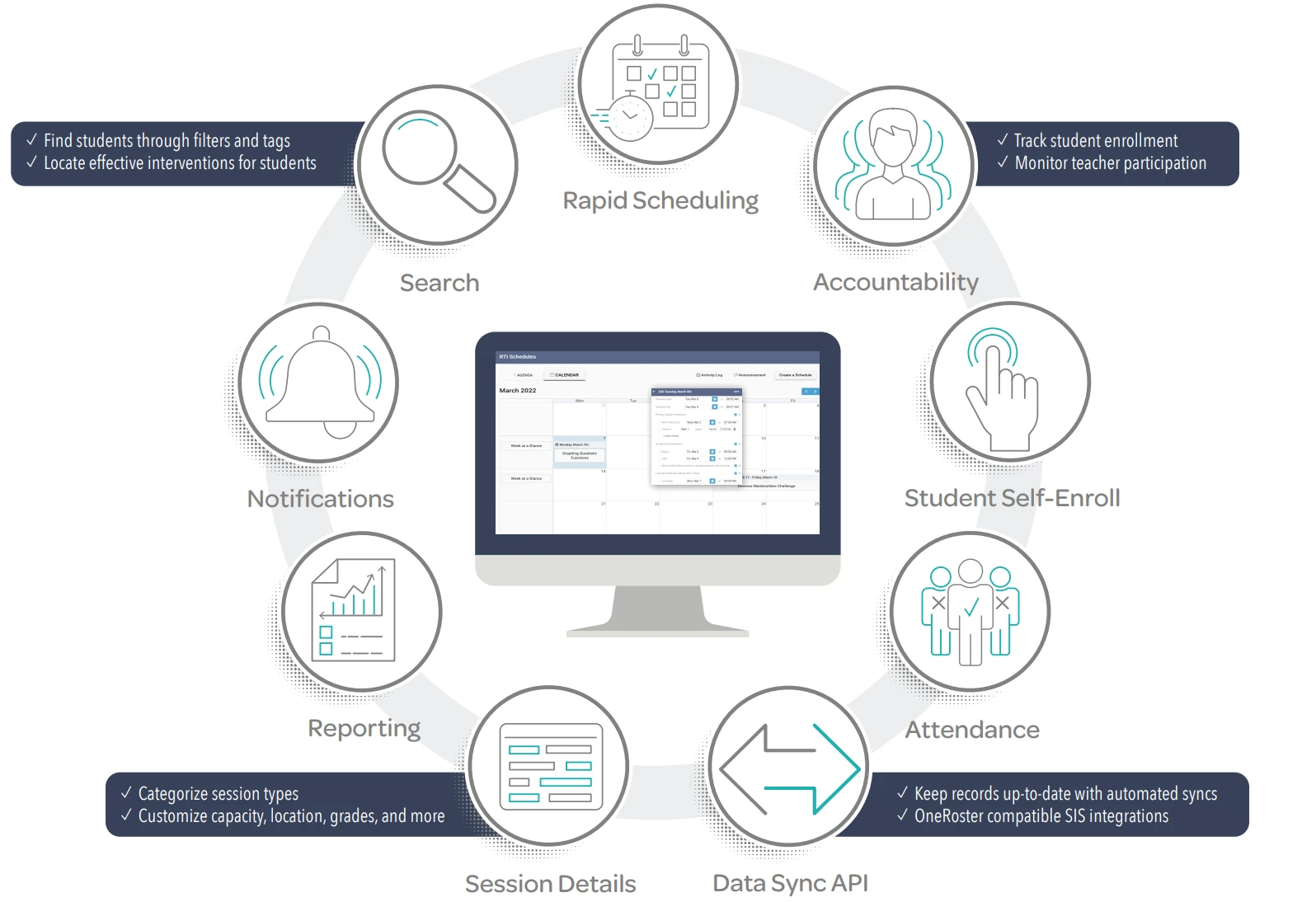
Managing interventions, enrichment programs, and staff schedules can be challenging for schools of all sizes. Administrators often struggle to coordinate teachers, specialists, and student groups while ensuring that instructional time is used effectively. This is where RTI Scheduler can make a significant difference.
RTI Scheduler is designed to simplify the scheduling process for Response to Intervention (RTI) and Multi-Tiered System of Supports (MTSS) programs. By automating scheduling tasks and improving resource allocation, it helps schools create efficient intervention plans while reducing administrative workload.
In this comprehensive guide, you’ll learn what RTI Scheduler is, how it works, its key benefits, best practices for implementation, and expert tips for improving workforce management in educational settings.
Featured Snippet Answer
RTI Scheduler is a scheduling solution that helps schools organize intervention programs, manage staff assignments, track student participation, and reduce scheduling conflicts. It streamlines workforce management by automating scheduling tasks, improving resource utilization, and supporting efficient RTI and MTSS implementation.
What Is RTI Scheduler?
RTI Scheduler is a specialized scheduling platform designed to support educational institutions implementing Response to Intervention (RTI) and Multi-Tiered System of Supports (MTSS) frameworks.
Unlike traditional school scheduling systems that focus on regular class schedules, RTI Scheduler is specifically built to manage intervention periods, enrichment opportunities, support services, and flexible learning blocks.
Purpose of RTI Scheduler
The primary goal of RTI Scheduler is to help schools:
- Organize intervention sessions efficiently
- Assign students to appropriate support groups
- Manage teacher and specialist workloads
- Reduce scheduling conflicts
- Improve communication among staff
- Track participation and attendance
By centralizing scheduling operations, schools can create a more structured and effective intervention process.

How RTI Scheduler Works
RTI Scheduler follows a systematic process that helps administrators coordinate resources and instructional support.
Student Information Management
The platform begins by organizing student information, including:
- Grade levels
- Academic needs
- Intervention requirements
- Support services
This data helps administrators make informed scheduling decisions.
Session Creation
Schools can create intervention sessions based on:
- Subject areas
- Grade levels
- Teacher availability
- Capacity limits
- Instructional goals
Staff Assignment
Teachers and specialists are assigned according to:
- Expertise
- Availability
- Student needs
- Workload balance
Schedule Distribution
Once schedules are finalized, they can be shared with:
- Teachers
- Students
- Administrators
- Support staff
Monitoring and Reporting
The system provides visibility into:
- Attendance
- Session participation
- Resource utilization
- Staff allocation
This information helps schools continuously improve their intervention programs.
Key Features of RTI Scheduler
Several features make RTI Scheduler valuable for workforce management.
Automated Scheduling
One of the most important capabilities is automation.
Benefits include:
- Reduced manual data entry
- Faster schedule creation
- Fewer scheduling conflicts
- Increased accuracy
Flexible Session Management
Schools can easily create and modify:
- Intervention groups
- Enrichment sessions
- Tutoring periods
- Academic support programs
Attendance Tracking
Attendance management helps schools monitor:
- Student participation
- Program effectiveness
- Intervention consistency
Staff Workload Management
Administrators can distribute responsibilities more effectively by:
- Reviewing teacher schedules
- Avoiding overload situations
- Ensuring balanced assignments
Reporting Tools
Comprehensive reports provide valuable insights into:
- Resource allocation
- Participation trends
- Intervention effectiveness
- Staffing efficiency
Benefits of RTI Scheduler for Workforce Management
Effective workforce management is essential for successful intervention programs. RTI Scheduler offers several advantages.
Improved Resource Allocation
Schools often have limited staff resources.
RTI Scheduler helps administrators:
- Match teachers with student needs
- Utilize specialists effectively
- Avoid scheduling redundancies
Reduced Administrative Burden
Manual scheduling can consume significant time.
Automation reduces the need for:
- Spreadsheet management
- Manual assignments
- Constant schedule adjustments
Better Communication
A centralized scheduling system ensures everyone has access to accurate information.
This improves collaboration among:
- Teachers
- Intervention specialists
- Counselors
- Administrators
Increased Flexibility
Educational needs change frequently.
RTI Scheduler allows schools to:
- Adjust schedules quickly
- Add new intervention groups
- Reassign resources efficiently
Enhanced Accountability
Tracking attendance and participation helps schools:
- Monitor intervention success
- Identify attendance concerns
- Measure program effectiveness
Step-by-Step Guide to Using RTI Scheduler
Step 1: Identify Intervention Goals
Before creating schedules, determine:
- Academic objectives
- Student support needs
- Intervention priorities
Clear goals lead to more effective scheduling decisions.
Step 2: Gather Student Data
Collect relevant information such as:
- Assessment results
- Teacher recommendations
- Academic performance indicators
Accurate data improves placement decisions.
Step 3: Create Intervention Sessions
Develop sessions based on:
- Subject areas
- Grade levels
- Learning objectives
- Available resources
Step 4: Assign Staff Members
Consider:
- Teacher expertise
- Schedule availability
- Current workload
Balanced assignments improve program quality.
Step 5: Enroll Students
Place students in appropriate groups based on:
- Academic needs
- Intervention requirements
- Session capacity
- Scheduling availability
Step 6: Review and Publish
Before finalizing schedules:
- Check for conflicts
- Verify capacity limits
- Confirm staff assignments
Step 7: Monitor Performance
Track results regularly to identify areas for improvement.
Best Practices for Successful Implementation
Implementing RTI Scheduler effectively requires thoughtful planning.
Keep Data Updated
Outdated information can create scheduling problems.
Regularly review:
- Student records
- Teacher assignments
- Program participation
Train Staff Thoroughly
Provide training sessions so employees understand:
- Scheduling procedures
- Attendance tracking
- Reporting features
Review Reports Regularly
Monthly reviews help identify:
- Attendance trends
- Staffing challenges
- Resource gaps
Plan Ahead
Create intervention schedules before each instructional cycle.
Advanced planning reduces disruptions and improves efficiency.
Encourage Collaboration
Regular meetings between staff members can improve scheduling decisions and intervention outcomes.
RTI Scheduler vs Traditional Scheduling Methods
| Feature | RTI Scheduler | Traditional Methods |
|---|---|---|
| Automation | Yes | No |
| Conflict Detection | Built-In | Manual |
| Attendance Tracking | Automated | Manual |
| Reporting | Comprehensive | Limited |
| Resource Visibility | High | Moderate |
| Scalability | Excellent | Limited |
The comparison highlights why many schools are moving away from spreadsheets and manual processes.
Pros and Cons of RTI Scheduler
Pros
- Streamlines intervention scheduling
- Reduces administrative workload
- Improves staff utilization
- Supports data-driven decision-making
- Enhances communication
- Increases scheduling accuracy
- Provides useful reporting tools
Cons
- Requires initial setup time
- Staff training may be necessary
- Data quality affects results
- Process changes may require adjustment periods
Overall, the advantages often outweigh the challenges when implementation is handled properly.
Common Challenges and Solutions
Challenge: Scheduling Conflicts
Solution: Use automated conflict detection and conduct regular schedule reviews.
Challenge: Uneven Staff Workloads
Solution: Monitor assignments and redistribute responsibilities when necessary.
Challenge: Student Placement Issues
Solution: Use updated assessment data and teacher input during placement decisions.
Challenge: Limited Resources
Solution: Prioritize interventions and optimize staff allocation based on student needs.
Expert Tips for Better Workforce Management
Educational leaders can maximize RTI Scheduler’s value by following these recommendations.
Prioritize High-Need Students
Focus resources where they will have the greatest impact.
Balance Teacher Assignments
Avoid assigning too many intervention groups to the same staff members.
Use Data to Guide Decisions
Analyze participation and performance reports regularly.
Schedule Regular Reviews
Quarterly evaluations help identify opportunities for improvement.
Maintain Flexibility
Prepare for changing student needs and staffing adjustments throughout the school year.
Encourage Continuous Improvement
Gather feedback from teachers and administrators to refine scheduling practices.
Also Read: Petra Exton: Hidden Details About Her Remarkable Life
Conclusion
RTI Scheduler is a powerful solution for schools seeking to improve intervention scheduling and workforce management. By automating administrative tasks, improving resource allocation, and supporting data-driven decision-making, it enables educators to focus more on student success and less on scheduling logistics.
Whether your school is implementing RTI, MTSS, enrichment programs, or targeted interventions, an effective scheduling system can improve efficiency, enhance collaboration, and ensure that support services reach the students who need them most. When used strategically, RTI Scheduler becomes an essential tool for building a more organized, responsive, and successful educational environment.
Frequently Asked Questions
1. What is RTI Scheduler?
RTI Scheduler is a scheduling platform designed to help schools manage intervention programs, staff assignments, student placements, and attendance tracking. It supports RTI and MTSS initiatives by streamlining scheduling processes and improving workforce management.
2. Who uses RTI Scheduler?
RTI Scheduler is commonly used by school administrators, intervention coordinators, teachers, counselors, and support staff who manage academic interventions, enrichment programs, and student support services.
3. How does RTI Scheduler improve workforce management?
The platform improves workforce management by balancing staff assignments, reducing scheduling conflicts, automating administrative tasks, and providing visibility into teacher workloads and resource utilization.
4. Can RTI Scheduler reduce administrative workload?
Yes. By automating many scheduling tasks, RTI Scheduler significantly reduces manual work, allowing administrators to spend more time focusing on instructional leadership and student outcomes.
5. What are the main benefits of RTI Scheduler?
Key benefits include improved scheduling accuracy, better staff utilization, enhanced communication, increased flexibility, attendance tracking, reporting capabilities, and more efficient intervention management.
6. Is RTI Scheduler suitable for schools of all sizes?
Yes. RTI Scheduler can support small schools, large campuses, and multi-school districts by helping them manage intervention programs, staffing resources, and student support services more efficiently.