
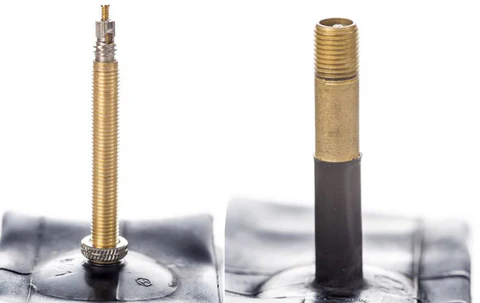
A Presta valve may look like a small, simple part of a bicycle wheel, but it plays a crucial role in keeping your tires properly inflated. If you have ever tried to pump a road-bike tire and wondered why the valve looks different from the one on a car or mountain bike, you have probably encountered a Presta valve.
In this guide, we’ll explain how a Presta valve works, why bicycles use it, how to inflate and deflate it correctly, and how it compares with the more common Schrader valve. You’ll also learn about valve extenders, adapters, common problems, maintenance tips, and when a Presta valve may be the better choice for your bike.
Featured Snippet Answer
A Presta valve is a narrow bicycle tire valve that uses a threaded stem and a small locknut to control airflow. When the locknut is loosened, air can enter or leave the tire. Tightening the locknut seals the valve. Its slim design makes it especially suitable for high-pressure bicycle tires and narrow rims.
What Is a Presta Valve?
A Presta valve is a type of air valve commonly found on road bikes, performance bicycles, gravel bikes, and many modern mountain bikes. Compared with a Schrader valve, it has a noticeably slimmer design and does not use the spring-loaded mechanism found inside automobile-style valves.
The valve consists of several important parts:
- Valve stem: The narrow metal tube attached to the inner tube or tubeless rim.
- Valve core: The internal mechanism that controls airflow.
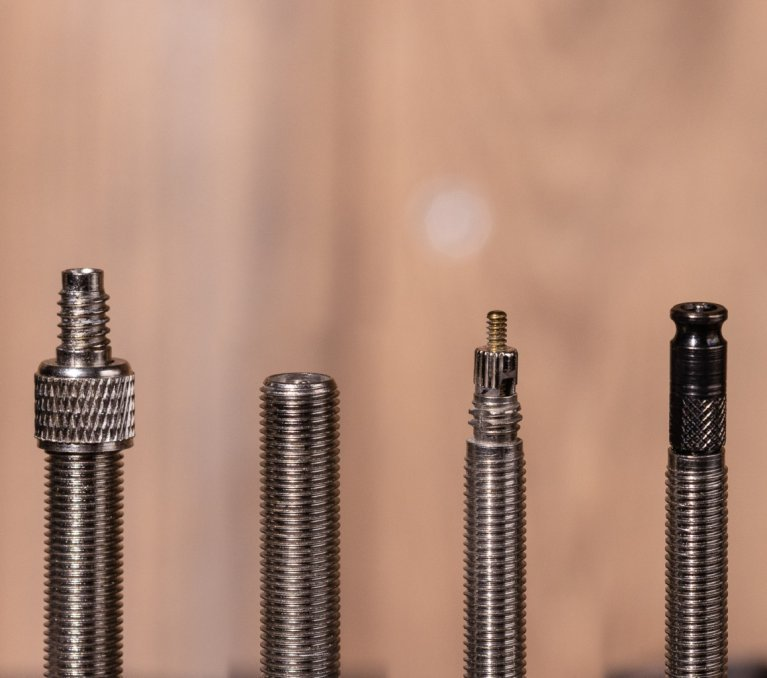
- Locknut: A small threaded nut at the top that opens or closes the valve.
- Stem nut: On many wheels, a separate nut helps secure the valve against the rim.
The most noticeable feature is the small threaded nut at the tip. Before pumping air into the tire, you normally loosen this nut. After inflation, you tighten it again.
Presta valves are available in different stem lengths, which is particularly useful for wheels with deep aerodynamic rims. Choosing the correct length is important because a valve that is too short can make inflation difficult.
Why Are Presta Valves So Narrow?
The slimmer design allows manufacturers to use smaller valve holes in bicycle rims. This can be useful for lightweight wheels because less material needs to be removed from the rim around the valve opening.
The design is also well suited to the relatively high pressures used by many road-bike tires.
How Does a Presta Valve Work?
Understanding the mechanism makes using one much easier.
Unlike a Schrader valve, which uses a spring-loaded valve core, a traditional Presta valve is controlled by its threaded tip. When the small locknut is tightened, the valve remains closed and prevents air from escaping.
When you loosen the locknut, the internal valve can move, allowing air to pass.
What Happens When You Pump Air?
When a compatible pump head is attached and you pump:
- The pump head seals around the valve.
- The Presta locknut is loosened so the valve can open.
- Pressure from the pump pushes air into the tire.
- The valve allows air to enter while preventing unwanted airflow in the opposite direction.
- When pumping stops, the valve closes under the pressure inside the tire.
- You remove the pump head and tighten the locknut.
That means you don’t need to hold the valve open while pumping. The pressure difference created by the pump does the work.
Why Doesn’t the Air Immediately Escape?
Many beginners loosen the Presta valve and hear a brief hiss of air. That is normal. Pressing the valve tip can intentionally release air.
However, simply loosening the small nut does not normally mean that all the air will escape. The valve remains closed until pressure from the pump or deliberate pressure on the valve mechanism allows airflow.
How to Pump a Presta Valve Correctly
Inflating a Presta-equipped tire is straightforward once you know the correct sequence. The biggest mistake beginners make is forgetting to loosen the small valve nut before attaching the pump.
Step-by-Step Instructions
1. Remove the valve cap
Unscrew the plastic cap from the top of the Presta valve and set it aside.
2. Loosen the locknut
Turn the small threaded nut counterclockwise. You only need to loosen it enough for the valve mechanism to operate.
3. Check the valve
You can briefly press the valve tip to confirm that air can escape. A short hiss indicates that the mechanism is moving.
4. Attach the pump
Use a pump head designed for Presta valves or a pump with a dual-valve head.
5. Inflate the tire
Pump until you reach the pressure appropriate for your tire, wheel, and riding conditions. Use the tire manufacturer’s recommended pressure range rather than simply choosing the highest possible pressure.
6. Remove the pump carefully
Release the pump head and pull it straight off the valve. Avoid excessive sideways force.
7. Tighten the locknut
Turn the small nut clockwise until it is snug. Do not overtighten it.
8. Replace the valve cap
The cap is not what creates the primary air seal, but it helps protect the valve from dirt and damage.
A Useful Tip
If the pump head keeps pushing the valve mechanism down or doesn’t seal properly, check that your pump is set up for Presta rather than Schrader. Many modern bicycle pumps support both.
Which One Is Better?
Neither is universally better.
A Presta valve is often preferred for performance bicycles because of its narrow design and compatibility with high-pressure cycling applications.
A Schrader valve is convenient because the format is widespread and many air pumps are designed around it.
Your wheel and tire setup should determine what you use. You generally cannot simply replace one type with the other without considering the rim’s valve-hole size and compatibility.
Key Benefits of a Presta Valve
Presta valves remain popular because their design works particularly well for certain types of bicycles.
1. Slim Design
The narrow stem allows for a smaller hole in the rim. This is particularly useful with lightweight bicycle wheels.
2. Suitable for High-Pressure Tires
Many road and performance bicycle tires operate at pressures where a reliable valve design is important. Presta valves are widely used in these applications.
3. Flexible Valve Lengths
Presta valves come in multiple lengths. This makes them practical for deep-section and aerodynamic rims.
4. Easy Pressure Adjustment
Once you become familiar with the locknut, adding or releasing small amounts of air is simple.
5. Tubeless Compatibility
Presta valves are commonly used in tubeless bicycle systems. Tubeless-specific Presta valves are designed to seal against the rim and work with sealant-based setups.
6. Secure Mechanical Design
The threaded valve tip makes it easy to operate manually and provides a straightforward way to open and close the valve.
Common Presta Valve Problems and Solutions
Although Presta valves are relatively simple, they can develop problems through wear, improper handling, dirt, or damage.
Valve Keeps Leaking
If air escapes continuously after inflation, the valve core may be loose or damaged.
Try checking whether the core is properly tightened. If the problem continues, the valve or tube may need replacement.
Pump Won’t Attach
First check whether the pump head supports Presta valves.
If it does, make sure:
- The locknut is loosened.
- The pump head is positioned correctly.
- The pump’s internal setting is appropriate for Presta.
- The valve isn’t bent or damaged.
Valve Stem Is Bent
A bent valve stem can occur when the pump is pulled sideways during removal.
Avoid forcing the pump. If the valve has been significantly damaged, replacing the inner tube or tubeless valve may be safer than attempting to straighten it.
Valve Core Is Stuck
Dirt or sealant can interfere with the valve mechanism, particularly in tubeless setups. Cleaning or replacing the valve core may solve the problem.
Presta Valve Adapters: When Do You Need One?
A Presta-to-Schrader adapter allows a Presta valve to work with a pump designed specifically for Schrader valves.
The adapter is a small threaded piece that screws onto the Presta valve after the valve has been opened.
This can be useful if you’re traveling and encounter an automotive-style air pump.
How to Use an Adapter
- Remove the Presta valve cap.
- Loosen the Presta locknut.
- Screw the adapter onto the valve.
- Attach the Schrader-compatible pump.
- Inflate the tire carefully.
- Remove the pump.
- Remove the adapter if desired.
- Tighten the Presta locknut.
Expert tip: Carrying a small adapter can be worthwhile on long rides or trips because it gives you more options when your usual pump isn’t available.
Choosing the Right Presta Valve Length
Valve length is an easy detail to overlook when buying an inner tube or wheel-related component.
For standard shallow rims, a short valve may be perfectly adequate. However, deep-section rims require longer valves.
The valve should extend far enough beyond the rim for your pump head to attach securely.
A simple rule is:
Choose a valve long enough for comfortable pump access without using excessive extension.
If you have deep rims, measure the rim depth and compare it with the manufacturer’s recommended valve length.
Valve Extenders
Valve extenders can be useful when a standard Presta valve is too short for a deep rim. However, make sure the extender is compatible with your particular valve design.
A poor-quality or incorrectly installed extender can make inflation inconvenient or create an additional point where air may leak.
Presta Valves for Tubeless Tires
Presta valves are also widely used in tubeless bicycle systems.
Instead of attaching to an inner tube, a tubeless valve passes through a specially prepared hole in the rim. A rubber seal and locking nut help create an airtight connection.
Tubeless Presta valves often include a removable core, which can be useful when adding sealant or inflating a tire with a high volume of air.
Important Tubeless Tips
- Check that the valve seal is correctly positioned.
- Keep the valve core clean.
- Make sure the locking nut is snug.
- Replace damaged rubber seals.
- Avoid overtightening the rim-side nut.
- If using sealant, inspect the valve periodically for blockage.
For tubeless setups, a clogged valve can make inflation surprisingly difficult.
Presta Valve Pros and Cons
Like any bicycle component, Presta valves have advantages and disadvantages.
Pros
- Slim and lightweight design
- Works well with many high-pressure bicycle tires
- Available in multiple lengths
- Common on road and performance bikes
- Suitable for many tubeless systems
- Small rim hole requirement
Cons
- Less intuitive for beginners
- Requires a compatible pump or adapter
- Small threaded tip can be bent if mishandled
- Valve cores can become clogged in tubeless setups
- Adapters may be needed with some pumps
For most cyclists, these drawbacks are minor once they understand how the valve works.
Expert Tips for Maintaining a Presta Valve
Good valve care doesn’t require much effort, but a few habits can prevent annoying problems.
Keep the valve clean. Dirt around the valve mechanism can interfere with proper sealing.
Don’t overtighten the locknut. It needs to be snug, not extremely tight.
Avoid sideways pressure. When attaching or removing a pump, keep the pump aligned with the valve.
Use the correct pressure. Follow the pressure range specified for your tire and wheel system.
Inspect the valve regularly. Look for bending, corrosion, damaged threads, or persistent air leakage.
Carry a backup solution. A compact pump and Presta adapter can be useful during longer rides.
For tubeless wheels, periodically inspect the valve seal and core because dried sealant can eventually interfere with airflow.
Also Read: Steven Greener: What to Know About His Career and Family
Conclusion
A Presta valve is a simple but carefully designed component that makes sense once you understand its mechanism. Its narrow body, threaded locknut, and reliable sealing design have made it a common choice for road bikes, performance bicycles, and many tubeless setups.
Using one correctly comes down to a few basic habits: loosen the locknut before inflation, use a compatible pump, avoid sideways pressure, inflate to the appropriate tire pressure, and tighten the valve gently afterward.
Whether you’re a new cyclist trying to understand your first road-bike tire or an experienced rider troubleshooting a leaking valve, knowing how a Presta valve works can make routine maintenance much easier.
Frequently Asked Questions About Presta Valves
Do Presta valves hold air better than Schrader valves?
A properly functioning Presta valve can hold air very reliably, but it isn’t accurate to say that it will always hold air better than a Schrader valve. Both designs can provide an effective seal when correctly installed and maintained. Tire pressure loss can also result from the tube, tire, rim, temperature, or small punctures.
Can I inflate a Presta valve with a normal bike pump?
Yes, provided the pump has a Presta-compatible head or a dual-head design. If your pump only accepts Schrader valves, you can use a small Presta-to-Schrader adapter. Always loosen the Presta locknut before attaching the pump.
Why does my Presta valve leak when I unscrew it?
A brief hiss after loosening the valve is usually normal, particularly if you press the valve tip. However, continuous leakage after inflation may indicate a loose or damaged valve core, contamination, or another issue with the valve or tube.
Are Presta valves better for road bikes?
Presta valves are extremely common on road bikes because their narrow design works well with narrow and aerodynamic rims, and they are widely used with high-pressure road tires. However, whether they’re “better” depends on the specific wheel, tire, and riding setup.
How do I know what Presta valve length I need?
Measure your rim depth and choose a valve that extends sufficiently beyond the rim for your pump head to attach comfortably. Deep-section wheels generally require longer valves. If you’re uncertain, check the wheel or inner-tube manufacturer’s recommended valve length.
Can a Presta valve be replaced?
Yes. On a traditional inner-tube setup, a damaged Presta valve generally means replacing the inner tube because the valve is integrated into it. Tubeless systems can use replaceable Presta-style valves, allowing the valve itself to be replaced when damaged or leaking.