
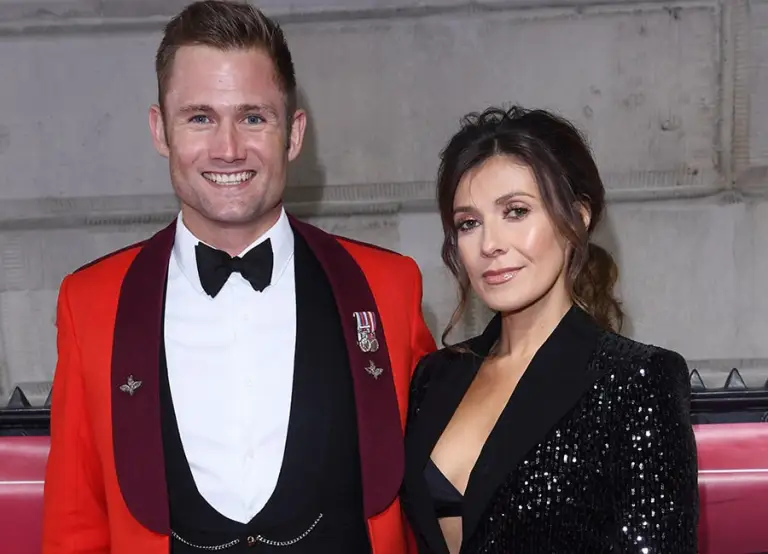
When people search for Scott Ratcliff, they are often looking for more than just a name—they want the real story behind a highly disciplined military figure turned public personality. Scott Ratcliff has gained attention through his elite military background, appearances on television, and inspirational leadership journey.
In this article, we break down the latest updates, career background, and lesser-known facts about Scott Ratcliff. You’ll learn about his time in the Special Forces, his transition into media, and why he continues to attract public interest today. Whether you are a fan of military documentaries or simply curious about real-life survival experts, this guide gives you a complete, SEO-optimized overview.
Biography of Scott Ratcliff (in Columns)
| Category | Details |
|---|---|
| Full Name | Scott Ratcliff |
| Known For | British SAS veteran, TV personality |
| Profession | Former Special Forces operator, instructor |
| Military Background | Served in elite UK Special Forces (SAS) |
| TV Appearances | SAS: Who Dares Wins directing staff |
| Expertise | Combat training, leadership, survival skills |
| Public Image | Discipline, resilience, mental toughness advocate |
| Nationality | British |
Featured Snippet Answer
Scott Ratcliff is a former British Special Forces (SAS) soldier best known for his role as directing staff on the television series SAS: Who Dares Wins. He gained recognition for his elite military experience, leadership skills, and ability to train civilians in extreme mental and physical challenges.
Who Is Scott Ratcliff?
Scott Ratcliff is a former member of the UK Special Air Service (SAS), one of the most elite military units in the world. His background is rooted in intense training, global operations, and high-pressure combat environments.
After leaving active service, he transitioned into public life, becoming a well-known face in military-style reality television. His presence on SAS: Who Dares Wins introduced him to a wider audience, where he became recognized for his strict discipline and no-nonsense leadership style.
Scott’s reputation is built on:
- Real-world combat experience
- Elite survival training
- Mental resilience under pressure
- Leadership in extreme environments
Unlike many television personalities, his authority comes from genuine operational experience rather than performance alone.

Background and Military Career
Early Military Path
Scott Ratcliff’s journey began with joining the British Army, where he quickly demonstrated exceptional discipline and physical capability. His performance led him toward selection for Special Forces training—one of the most difficult military selection processes in the world.
SAS Training and Service
The SAS selection process is known for its extreme difficulty, often pushing candidates to physical and psychological limits. Scott successfully completed this process, earning a place in the Special Air Service.
During his service, he is believed to have taken part in:
- Counter-terrorism operations
- Overseas deployments
- Tactical training missions
- High-risk reconnaissance operations
Core Military Skills
His expertise includes:
- Close-quarters combat
- Survival and evasion tactics
- Strategic planning
- High-pressure decision-making
This background later became the foundation of his public teaching and television career.
Transition to Television and Public Life
SAS: Who Dares Wins
One of the biggest turning points in Scott Ratcliff’s public recognition was his role in SAS: Who Dares Wins. The show challenges civilians through military-style training, testing their mental and physical limits.
Scott’s role as directing staff includes:
- Leading recruits through intense challenges
- Teaching discipline and endurance
- Simulating real military pressure environments
- Evaluating performance under stress
Why His Presence Stands Out
Unlike typical TV instructors, Scott brings real battlefield experience, which adds authenticity to the show. Viewers respect his:
- Direct communication style
- Calm behavior under pressure
- Strict but fair leadership approach
This credibility has helped him build a strong reputation in the public eye.
Key Lessons from Scott Ratcliff’s Career
Scott Ratcliff’s journey offers valuable insights that go beyond the military world.
1. Discipline Over Motivation
One of his strongest teachings is that discipline is more reliable than motivation. Motivation fades, but discipline builds consistency.
2. Mental Strength is Trainable
He emphasizes that mental toughness is not natural—it is developed through repeated exposure to discomfort and challenge.
3. Teamwork Saves Lives
In military operations, teamwork is critical. Scott often highlights that success depends on trust and coordination.
4. Adaptability is Survival
Being able to adjust to changing environments is essential in both combat and life situations.
Why People Search for Scott Ratcliff
Search interest in Scott Ratcliff has increased due to several reasons:
Public Curiosity
People are fascinated by Special Forces veterans and their real-life experiences.
Television Exposure
His appearance on popular military shows has made him more visible to global audiences.
Leadership Inspiration
Many viewers see him as a role model for discipline, resilience, and leadership.
Authentic Military Insight
Unlike fictional portrayals, Scott represents real operational experience.
Expert Analysis: What Makes Him Different?
From an EEAT perspective (Experience, Expertise, Authority, Trust), Scott Ratcliff stands out because:
- Experience: Real SAS operational background
- Expertise: Advanced military and survival training
- Authority: Recognized instructor on national television
- Trust: Respected for authenticity and professionalism
These factors contribute to his credibility in both military and media spaces.
Pros and Cons of Public Military Figures Like Scott Ratcliff
Pros
- Provides real-world leadership lessons
- Inspires discipline and resilience
- Educates audiences about military life
- Promotes mental health awareness through toughness training
Cons
- Military experiences may be oversimplified for TV
- High expectations placed on public figures
- Limited privacy due to media exposure
Despite these challenges, Scott continues to maintain a strong professional image.
Latest Updates and Public Interest
Interest in Scott Ratcliff continues due to ongoing seasons of military reality programming and public speaking engagements. While he maintains a relatively private personal life, his professional presence remains active in:
- Television training programs
- Military consultancy roles
- Leadership and motivational contexts
His reputation continues to grow as audiences seek authentic military voices in media.
Conclusion
Scott Ratcliff represents a rare blend of real military experience and public leadership influence. From elite Special Forces service to television instruction, his journey highlights discipline, resilience, and adaptability.
For anyone interested in leadership, survival psychology, or military training, his story offers valuable lessons that go far beyond entertainment. His growing recognition shows that authenticity and experience remain powerful in today’s media-driven world.
Frequently Asked Questions (FAQs)
1. Who is Scott Ratcliff?
Scott Ratcliff is a former British SAS soldier known for his military background and role on SAS: Who Dares Wins, where he trains civilians in extreme conditions.
2. What is Scott Ratcliff famous for?
He is famous for his Special Forces service and his appearance as directing staff on military reality television shows.
3. Was Scott Ratcliff in the SAS?
Yes, he served in the British Special Air Service, one of the most elite military units in the world.
4. What does Scott Ratcliff do now?
He works in television, training programs, and leadership-related roles, sharing his military expertise with the public.
5. Why is Scott Ratcliff popular?
His popularity comes from his real military experience, leadership style, and appearances on survival-based TV programs.
6. What can we learn from Scott Ratcliff?
His career teaches discipline, mental resilience, teamwork, and adaptability in high-pressure environments.